

What Happens If Myopia Is Left Unmanaged?
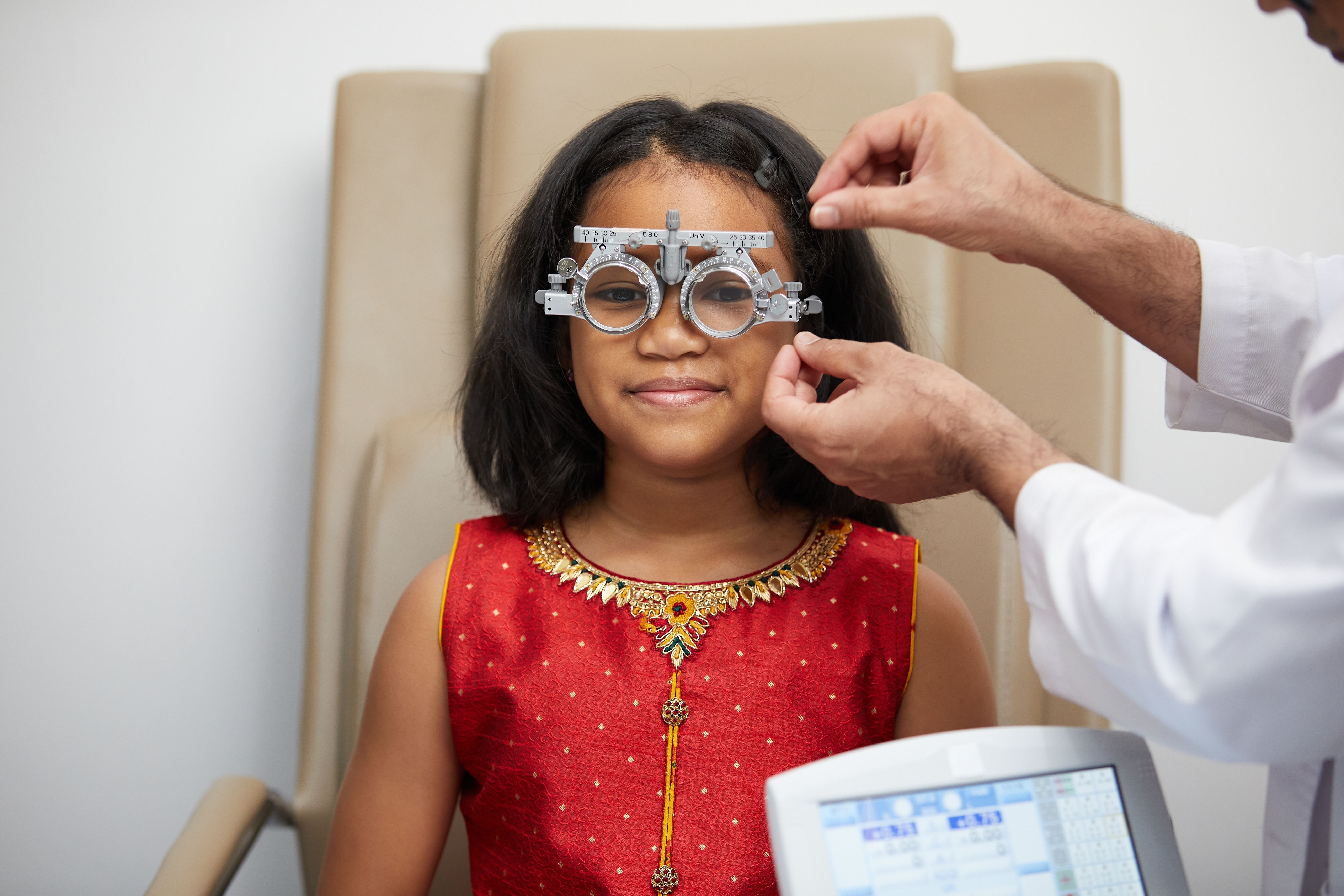
Myopia, or nearsightedness, is more than just needing glasses to see far away. In many children, it continues to worsen as they grow. If it is left unmanaged, it can lead to stronger prescriptions over time and may increase the risk of eye health problems later in life. Early monitoring and treatment can help protect your child’s vision as their eyes develop.
What Is Myopia?
Myopia is a common vision problem that makes faraway objects look blurry while close-up objects are easier to see. It happens when the eye grows too long from front to back or when the cornea bends light too much. This causes light to focus in front of the retina instead of directly on it.
Myopia Often Gets Worse Gradually
A child with myopia may start by having trouble seeing the board at school or recognizing distant objects clearly. At first, the change may seem minor. However, myopia often progresses year after year during childhood and adolescence. As the prescription becomes stronger, vision without correction becomes more limited and everyday tasks may become more difficult.
Higher Myopia Can Increase Future Eye Health Risks
Unmanaged myopia is not only about needing thicker glasses. Higher levels of myopia are associated with a greater risk of serious eye conditions later in life. These may include retinal problems, glaucoma, cataracts, and myopic macular degeneration.
School and Daily Life Can Be Affected
Children with worsening myopia may struggle in the classroom, during sports, or while doing other daily activities. Blurry distance vision can affect learning, confidence, and participation. Some children may not realize how much they are missing because their vision changes slowly. Regular pediatric eye exams help identify these changes before they create bigger problems.
Signs Myopia May Need Closer Attention
It is important to watch for signs that a child’s myopia may be progressing, such as:
- Squinting to see far away
- Sitting very close to screens
- Holding books too close
- Complaints of blurry distance vision
- More frequent prescription changes
- Eye strain or headaches
Why Early Treatment for Myopia Is Important
Managing myopia early may help slow progression and reduce how quickly the prescription changes. This gives children a better chance of maintaining clearer vision with less dramatic worsening over time. It also supports a more proactive approach to lifelong eye health. The earlier changes are identified, the more opportunity there is to respond with an appropriate treatment plan.
A Personalized Approach to Myopia Care
Every child’s eyes are different, so myopia care should be tailored to the individual. Monitoring prescription changes, tracking eye development, and discussing suitable treatment options can all play a role in managing progression. Depending on your child’s needs, treatment options may include Ortho-K, MiSight 1 day contact lenses, Stellest lenses, or atropine eye drops. Consistent follow-up visits are also important so adjustments can be made as needed.
Schedule a pediatric eye exam at Bonds Eye Care to learn more about myopia management and discover which treatment is right for you child. Visit our office in Downingtown, Pennsylvania, or call (610) 269-3177 to book an appointment today.
Quick Links

All Eye
Care Services

Keep
In Touch

Contact Info
Office Hours
- Monday 9:00AM - 5:00PM
- Tuesday 9:00AM - 5:00PM
- Wednesday 9:00AM - 5:00PM
- Thursday 9:00AM - 5:00PM
- Friday 9:00AM - 1:00PM
- Saturday Closed
- Sunday Closed
© 2026 Bonds Eye Care. All rights Reserved. Accessibility Statement - Privacy Policy - Sitemap
Powered by:
