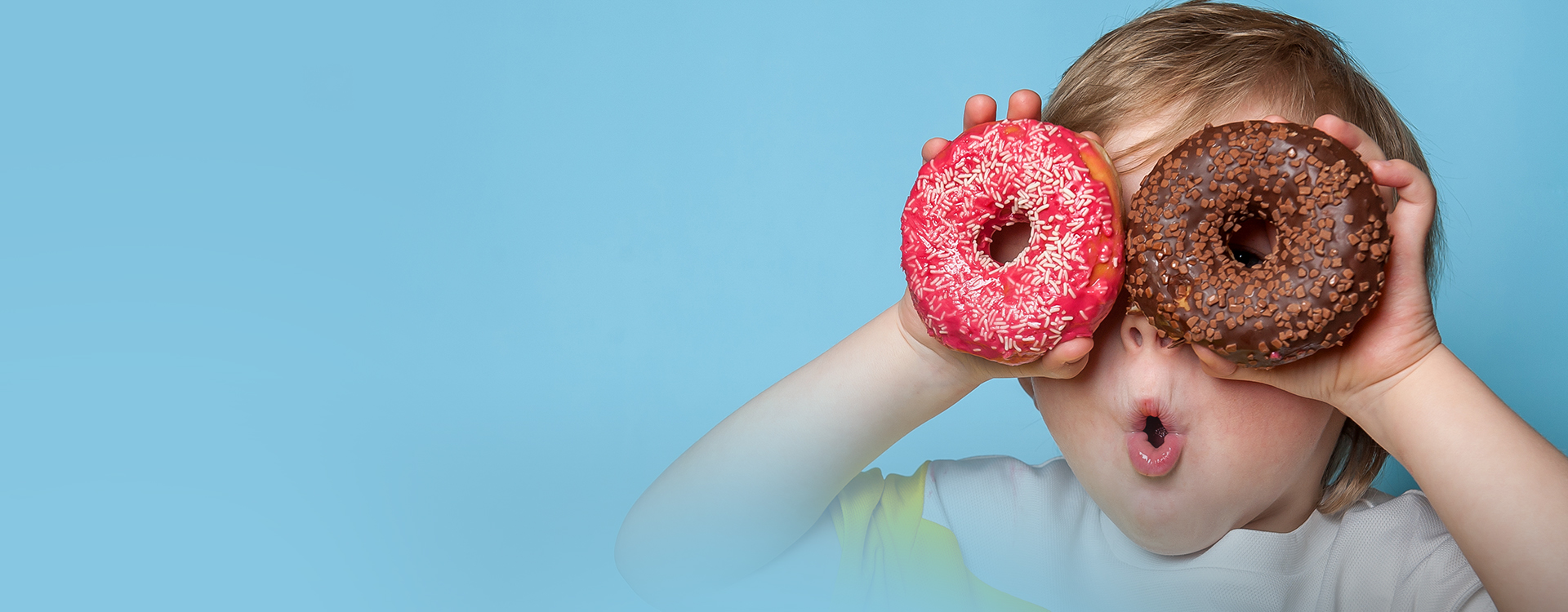
Kids Eye Exams
What to Expect at Your
Child’s First Eye Exam
Taking your child for their first eye exam is an important milestone in their overall health and development. Many parents are surprised to learn that children can benefit from a comprehensive eye exam as early as six months of age. Knowing what to expect can help ease any nervousness and ensure a positive experience for everyone involved.
A Kid-Friendly Experience
with a Pediatric Eye Doctor
Pediatric optometrists specialize in working with children and are trained to make eye exams comfortable, engaging, and age appropriate. Dr. Bonds uses kid-friendly language, games, and tools to assess vision, eye alignment, depth perception, and eye health without requiring a child to read or respond like an adult would.
What Happens During the Exam?
During a comprehensive pediatric eye exam, the doctor will check:
Understanding Myopia (Nearsightedness)
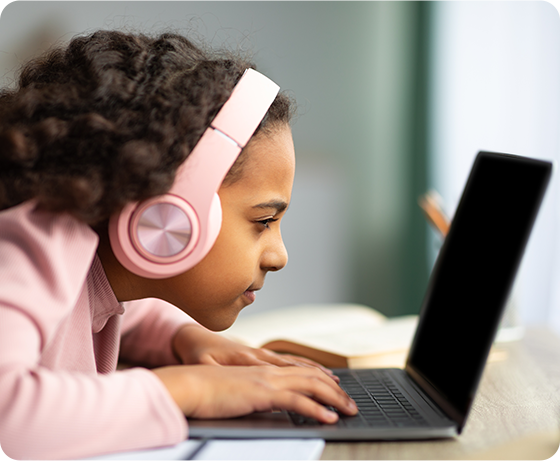
One of the most common vision issues diagnosed during childhood is myopia, or nearsightedness. This condition causes distant objects to appear blurry while close-up vision remains clear. Myopia typically develops during early school years and progresses as a child grows.
Early detection is crucial, as unchecked myopia can lead to higher prescriptions and increase the risk of future eye conditions like retinal detachment or glaucoma. Fortunately, there are modern options for managing myopia
progression, including special glasses, contact lenses, and lifestyle changes such as increased time spent outdoors.
Why Vision Screenings Aren’t Enough
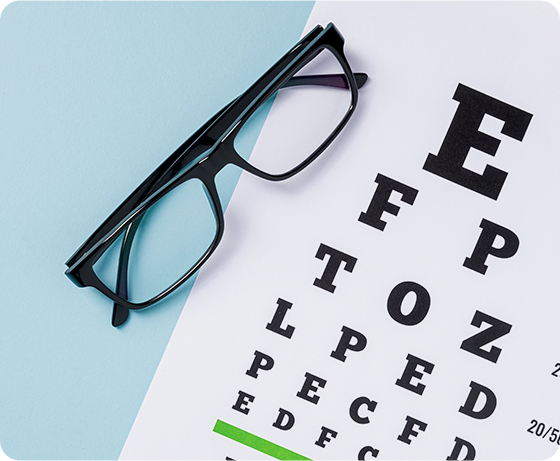
It’s common for children to undergo vision screenings at the pediatrician’s office or during school checkups. While these screenings are helpful for identifying major vision issues, they are not a substitute for detecting all vision problems. Vision screenings typically assess only visual acuity (how well a child can see letters or objects at a
distance), and they may miss issues like:
- Eye coordination problems
- Depth perception deficiencies
- Subtle refractive errors
- Early signs of eye diseases
In fact, many children pass school screenings despite having vision problems that affect learning, behavior, and development. Only a full eye exam performed by a pediatric eye doctor can provide the detailed evaluation needed to ensure your child’s vision and eye health are on track.
Give Your Child the
Clear Start They Deserve
Scheduling a professional eye exam with Dr. Bonds is a simple step with longlasting benefits. Whether your child is preparing to start school, struggling with reading, or simply due for a checkup, a comprehensive eye exam can reveal vital information about their overall development and well-being. Early eye care helps children succeed—in school, in play, and in life.

Contact Info
Office Hours
- Monday 9:00AM - 5:00PM
- Tuesday 9:00AM - 5:00PM
- Wednesday 9:00AM - 5:00PM
- Thursday 9:00AM - 5:00PM
- Friday 9:00AM - 1:00PM
- Saturday Closed
- Sunday Closed
© 2026 Bonds Eye Care. All rights Reserved. Accessibility Statement - Privacy Policy - Sitemap
Powered by:
